Not too long ago, my co-founder and I were deep in investor prep and product design (announcements coming soon) when we started talking about the emotional appeal and “stickiness” of our product. When you’re building a consumer-oriented product, creating an emotional connection with the user is central to success.
We were fascinated by the fantastic Plancast post-mortem by founder Mark Hendrickson. While the entire thing is worth a read, this is the paragraph that stuck out to me:
“Most social networks feed primarily on vanity, in that they allow people to share and tailor online content that makes them look good. They can help people communicate to others that they’ve attended impressive schools, built amazing careers, attended cool parties, dated attractive people, thought deep thoughts, or reared cute kids. The top-level goal for most people is to convince others they are the individuals they want to be, whether that includes being happy, attractive, smart, fun or anything else.”
Hendrickson nails it. Social networks cater to our emotional desire need for validation. It’s why, as my follows argue, that we strive to get As on our report cards, go to church or value trophies so highly.
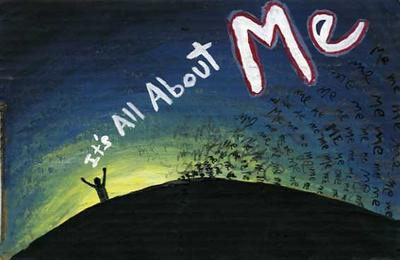
I argue that modern society’s emphasis on validation has skyrocketed though, thanks to the rise of social media. We have entered the Age of the Validation Society.
Why do post photos on Facebook? Why do you tweet? Why do you check out your Klout score, even though you claim you never check it? The answer is simple: we get an emotional high every time somebody likes, retweets or comments on the things we post.
@benparr so are you saying that validation is like crack and the internet is the crack pipe?
— Nick Hamm (@hammnick) January 24, 2012
We always want another hit. Validation is the crack, Internet is the crack pipe and Facebook & Twitter are the dealers. Yes, I just compared Facebook and Twitter to drug dealers.
You can argue that you post on Facebook to keep your family up-to-date about your life. You can argue that you tweet to build up your personal brand. But in the end, you’re just like every other person on a planet: you love it when people start sharing one of your blog posts like mad, and you’re disappointed when nobody comments on that witty thing you just posted to your friends.
Whether the rise of the Validation Society is a good thing… I don’t know. But it’s real, and great consumer products need to keep this trend in mind. It’s something my co-founder and I are going to have to nail if we’re going to succeed as startup founders.

Additional thought: One of my followers raised a good point: validation is more valued in America than it is in most other cultures. Or perhaps it’s a different type of validation. I’d be curious to hear why the Japanese love Twitter so much, or why Facebook is HUGE in Indonesia.
So I add to the comment total for your post, making you feel good. Simultaneously I add the comment to my Disqus (and FriendFeed) pages, increasing the content listed under my name, making me feel good.
Needless to say, I think you’ve hit on something. Â
For most of us, this truly is a need and not a desire. Of course, we can choose the term that we apply to this – “validation” sounds good, “promoting my personal brand” sounds industrious, “narcissism” sounds bad. And it’s not unique to social media, as anyone who’s played a pinball game in an arcade can tell you. But whatever we call it and wherever we do it, product creators need to remember this and take advantage of our need.
Hi Ben — I think we’re on the same page! Â Liked your post very much.Â
Something I wrote earlier in January. Â
http://halleytuckersbookbox.blogspot.com/2012/01/are-you-important-social-media-thinks.html
it boils down to the big C word: Community. Â people want to feel like they can make a difference, and that they are part of something larger than themselves. i believe vanity plays a role (that’s why i call it Face-brag and UN-friend people who are constantly self-aggrandizing), but perhaps not the larger role i interpret you are suggesting. Â Mark’s post was pretty detailed, and he listed vanity as one component, which i completely agree with, in general.
There certainly are a lot of validating comments posted here.
Validation and Invalidation is for the insufficient and insecure. As for others, It’s more we are usually talking to ourselves or about ourselves in 2nd or 3rd person… Either that or we’re literally talking to the 2nd and 3rd person. However, I see your point and most definitly recognize validation from lots of lames on the facebook… Don’t use twitter much but I’m sure Its the same fools.
Well said. I’m glad you didn’t reduce the complexity of all this validation to bad or good – it’s definitely a fascinating trend, and one that more of us take part in than anyone wants to admit.
I’ve learned a lot from your blog here! Keep on going, I will keep an eye on it.
One of the more evident issues with this can be seen on G+. Â I have no idea why some feel the need to mention the author of a post (by + them) when clearly it’s their post (they get updates of comments people, honestly). It’s essentially saying “Look Ben Parr, look, look! Look what I wrote Ben Parr.” Â But this is also seen in Instagram or Twitter with all this #TeamFollowBack nonsense. Â I’m interested to see the progression of this
I think a lot of the power and appeal of social media comes from it’s ability to help individuals know and be known. Â I agree with you that social networks seem to feed and grow this need for social validation. At the same time, social networks make it a lot easier to receive validation since it has become a much simpler task to find and connect with others who share and appreciate our views. It makes me wonder how much our need for external validation is growing for a general audience versus for the more specific circles of friends, colleagues and associates we interact with most. Perhaps it would even decrease for audiences that are outside these circles?
xcscscscs